The Fitness Industry Sold You a Lie — and a 15-Minute Walk Just Exposed It
I'm going to say something that might get me uninvited from every gym in my city: your brutal 90-minute workout is probably doing less for your health than a brisk 15-minute walk.
That's not a hot take I arrived at comfortably. I spent years believing the opposite — that if I wasn't drenched in sweat and half-dead on the gym floor, I wasn't "really" training. But the 2025 research keeps piling up, and it's telling a story the fitness industry really doesn't want to hear. Short, consistent, low-intensity movement is quietly outperforming the high-intensity heroics we've been sold for decades.
Let me show you why.
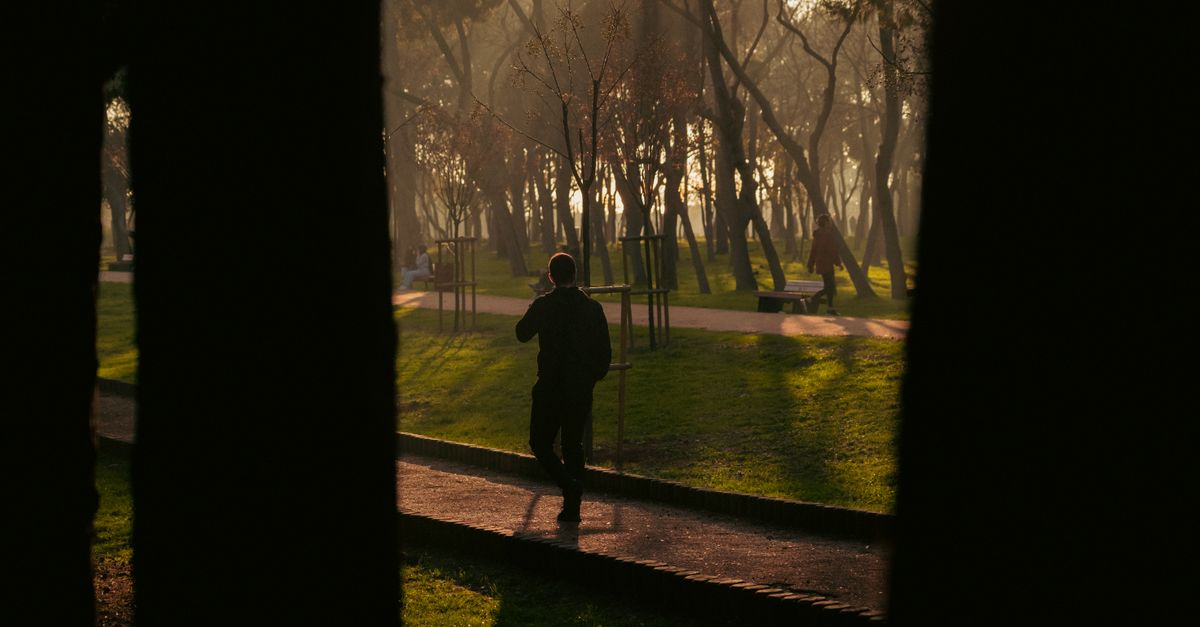
The 15-Minute Walking Rule, Explained Without the Hype
Here's the premise, stripped of influencer nonsense. The 15-minute walking rule is dead simple: you commit to one brisk 15-minute walk every single day, ideally after a meal. No special shoes. No heart-rate zones. No pre-workout powder. Just you, the pavement, and a quarter of an hour.
I know what you're thinking — that can't be enough. That's exactly what I thought. But here's what most people miss: the fitness conversation has been hijacked by people optimizing for performance when most of us just want to not die early and feel decent doing it. Those are two completely different goals.
Consistency beats intensity when your goal is metabolic health, and walking is the single easiest form of movement to keep doing for years. The best workout in 2025 isn't the hardest one — it's the one you'll still be doing in 2035.
What the Research Actually Says About Short Daily Walks
I've dug through the studies so you don't have to, and the pattern is remarkably consistent.
- Post-meal walking measurably blunts blood sugar spikes — some research suggests a 15-minute walk after eating can reduce post-meal glucose response by a meaningful margin. For anyone flirting with pre-diabetes, that's not a footnote, that's a headline.
- Daily step counts in the 7,000-8,000 range are associated with substantially lower all-cause mortality. The old "10,000 steps" number was basically marketing. You can hit the useful threshold in well under an hour.
- Cardiovascular risk drops with regular moderate walking — and crucially, the benefits show up fast, even in people who've been sedentary for years.
Compare that to the intense-workout crowd. High-intensity training is genuinely great — for people who recover well, sleep enough, and don't have a stress-soaked life. Which is... not most of us. The dirty secret of the HIIT era is that intense exercise is a stressor, and if your baseline is already maxed out on stress, you're just adding fuel to the fire.

Why Your "Killer Workout" Might Be Working Against You
Let's be honest about something the fitness world rarely admits: more isn't automatically better.
I've watched friends grind through punishing workouts five days a week while sleeping six hours and living on cold brew. Their cortisol is a mess, their joints ache, and they're exhausted. They're not getting fitter — they're getting depleted. Meanwhile, the person taking a 15-minute walk after lunch and going to bed at a reasonable hour is quietly lapsing them on every metric that matters.
Here's the framework I've found genuinely useful:
- Movement you can sustain daily — walking wins by a mile.
- Strength work a couple times a week — non-negotiable for muscle and bone.
- Intense sessions as a garnish, not the meal — one or two a week, tops, if you enjoy them.
See the shift? Walking isn't competing with your workout. It's the foundation your workout should sit on. The mistake is treating the intense session as the whole structure and ignoring the base.
The Mental Health Bonus Nobody Talks About Enough
This is the part that surprised me most, and I say that as someone who rolled his eyes at "walking is meditation" posts for years.
There's something about a 15-minute walk that a treadmill interval session just can't replicate. The rhythm of it. The light changing. The fact that your brain isn't screaming at you to survive the next rep. I've found that my clearest thinking happens about eight minutes into a walk — right when I've stopped trying to think and just let my legs do their thing.
The research backs this up: regular walking is linked to reduced anxiety and depressive symptoms, better sleep quality, and improved mood. You don't get a runner's high, but you get something steadier. A daily floor of calm instead of a sporadic spike.
And honestly? In 2025, a reliable floor of calm might be the most valuable health intervention going.

How to Actually Make the 15-Minute Walking Rule Stick
I've tried and failed at this. Here's what finally worked for me — and what I'd tell anyone starting.
Anchor it to something you already do. Post-meal is the natural slot. You're not adding a task; you're replacing "sit and scroll" with "walk and think." That reframe matters more than willpower.
Don't dress it up. The second you need special gear and a playlist and a route plan, you've built a fortress of excuses. Shoes on, door open, go.
Track it loosely, not obsessively. A rough streak is motivating. A spreadsheet that guilts you isn't. I check my phone's step count once a day, shrug, and move on.
Let it be boring. Your walk doesn't need to be a productivity hack or a content opportunity. Some of the best 15 minutes of my day are the ones where absolutely nothing happens.
Here's the thing I keep coming back to: we've spent decades chasing the perfect workout and getting worse at moving. The 15-minute walking rule isn't a magic bullet — it's just an honest one. It respects your time, your body, and the reality that you have a life outside the gym.
So here's my challenge to you. Before you buy another gym membership or download another training app, try one thing for 30 days: a brisk 15-minute walk every day, ideally after a meal. No other changes. Then tell me you don't feel different.
I've found that the smallest commitments are the ones that actually change us. The question is whether you're willing to believe that a walk counts — because I promise you, your body already does.
